
Self-checkout in the shop: what stays on the shelf
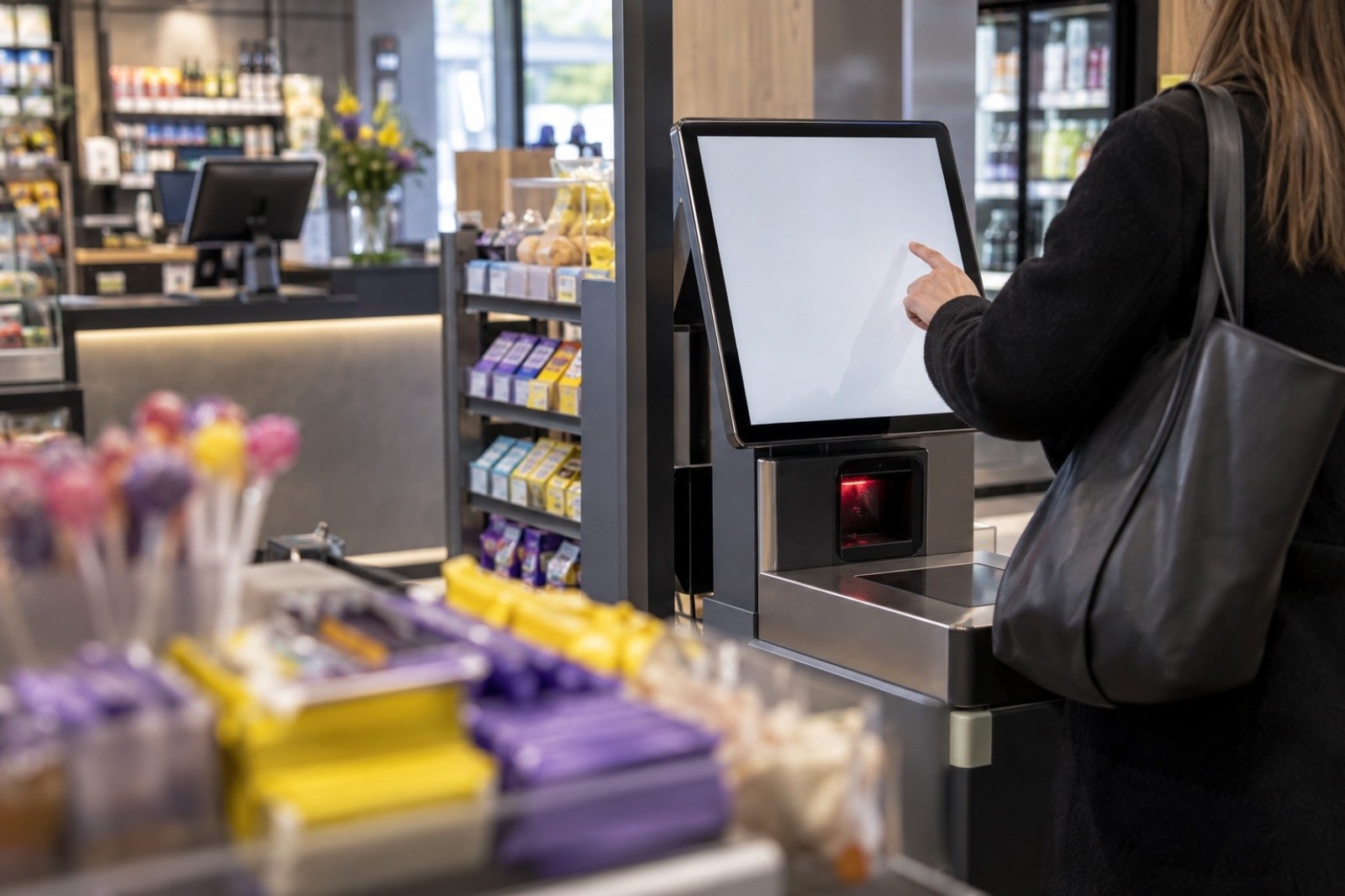
At the Kuttenkeuler site in Sankt Augustin, roughly one in ten transactions now runs through a self-checkout. The operator is converting further bft forecourt sites in North Rhine-Westphalia, which brings self-checkout (SCO) to the smallest sales areas in German retail. That raises a question the manned till never had to answer: who sells the chocolate bar now?
From pilot scheme to installed base
The EHI figures show a clear trajectory. Its market survey published in November 2025 counted self-service checkouts in 10,366 German stores, a rise of 143 per cent within two years, with more than 38,650 terminals installed and roughly 25,000 of them in grocery. One in every eighteen tills in German retail now serves itself.
The pace has picked up since. In March 2026, Kaufland rolled out self-service checkouts and handheld scanners under the K-Scan name across all its German stores, some 2,000 terminals in around 300 outlets, with a target of more than 8,000 devices. In converted stores, roughly 40 per cent of customers choose the self-service route. The EHI study "Checkout-Trends 2026" from February points in the same direction: 56 per cent of the retailers surveyed see a need to act on self-service solutions, checkout hardware averages 5.9 years of age, and 88 per cent plan changes to the checkout area within two years.
The business case is easiest to read on the payroll line. The German minimum wage has stood at 13.90 euros since January, 14.60 euros is scheduled for 2027, and staffing the early and late hours remains a daily task for every operator. A terminal works reliably at six in the morning and at eleven at night.
Faster tills, a quieter till point
The checkout zone is the last area in a shop where a purchase is born that nobody planned. It works through a simple mechanism. The customer stands still for a moment, both hands are free, the eyes wander, and at grabbing height sits exactly the product that goes into the basket without ever making it onto a list. At the till point, waiting time is selling time.
At a self-checkout that mechanism disappears. The customer scans, repacks, hunts for the right field on the screen and holds a card against the reader. Hands and eyes are occupied, and the brief pause that produces an impulse purchase leaves along with the queue. An operator who installs two terminals and leaves the checkout zone exactly as it was moves customer flow away from the one area of the shop that was ever designed to generate add-on sales.
For a forecourt shop, that matters more than for a supermarket. According to bft, around 65 per cent of German forecourt turnover now comes from shop, food service and services. The margin behind those two thirds leans heavily on categories bought on the spot: confectionery, savoury snacks, a cold drink, the second coffee of the day.
What takes the place of the queue
The answer lies in customer flow. The moment a terminal goes in, the shop gains a new route, a new waiting position and a new sightline. All three can be measured and merchandised: the path between chiller, coffee machine and terminal, the floor space immediately in front of the device where the customer genuinely pauses, and the sightline they take while paying.
A second effect works in the operator's favour. Age verification for tobacco and vaping products still ties a member of staff to the terminal area. Framing that role as host rather than supervisor wins back precisely the conversation that used to trigger the second purchase at the manned till. Payment behaviour supports the shift as well: only 23 per cent of stores with self-checkouts still accept cash at those terminals, and the Bundesbank reported that in 2025 more than half of everyday purchases in Germany were settled cashlessly for the first time. For a growing share of shoppers, the terminal is simply the normal way out.
Two perspectives, one decision
Operators can see how many transactions run through their terminals and how the average basket moves. Shoppers can explain why they pick one route over the other and what passes through their minds on the way. Only both views together answer the practical question: what should the checkout zone look like after the conversion?
That is the starting point of the self-checkout study Bormann & Gordon is running in 2026, combining a retailer survey with a shopper survey. The guiding question: what does the shop gain in speed, and what does it need to rebuild elsewhere to protect the add-on sale?
Anyone planning a conversion should put the till point in the same project plan as the terminals. We are happy to talk through customer flow, dwell time and placement at the new checkout in person.